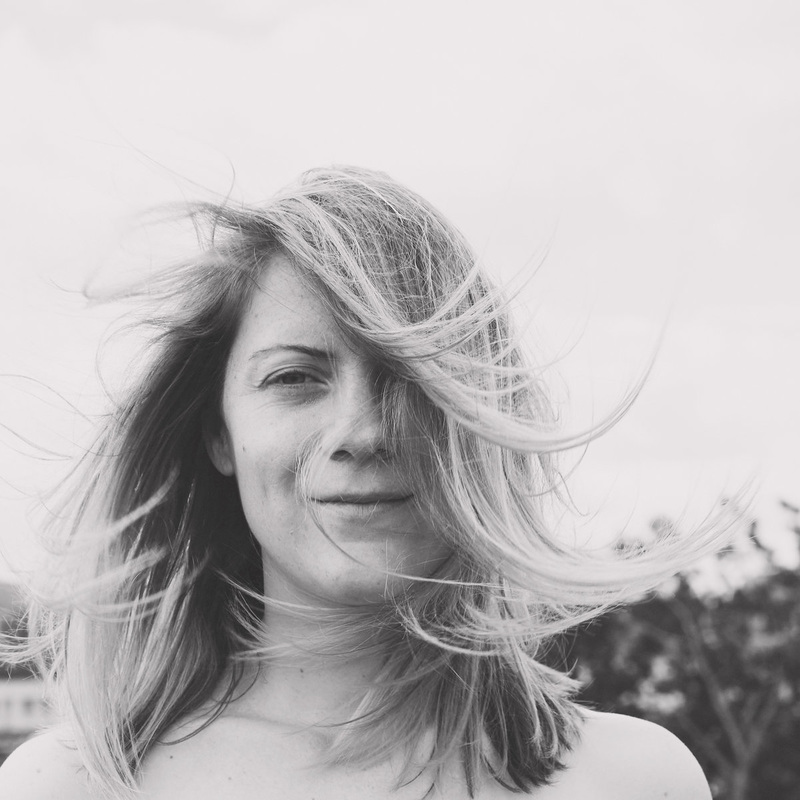
Victoria Lord
From way up North comes an impressive debut by Victoria Lord. 'Cars Passing By' has a truly distinct feel, equal parts sadness and uplifting exploration, these are well crafted narratives which make for good companions on almost any night. 'Haunted Man' stands out as one of the best tracks on an album full of really impressive, earnest songs. With a vocal styling somewhat similar to Innocence Mission's Karen Peris, swathed in a snowy gust of twangy-folk ambiance, you could drive for hours out on the open road with an album such as this one keeping you company. AHC: What has this journey, this life in music, so far, been like for you, the highs and the lows, and what life lessons do you feel you've picked up along the way? Victoria: It's taught me to be patient, to let things come my way but also to work hard, and acquire experience. Years ago, I wasn't ready to fly solo, especially on stage. Performing with other artists, recording and working on my first album are what made me ready. Generally speaking, I used to be much more anxious and impatient. The process of making an album is everything but linear, you have to let the songs breathe, to let them evolve as much as you also need to let yourself breathe and evolve. AHC: What first drew you to music and what was your early musical environment like growing up? Were there pivotal songs for you then that just floored you the moment you heard them? Victoria: From as far back as I can remember, music has been in my life. My father is a record collector and a music lover so I grew up surrounded by thousands of records, and listening to all sorts of things, whether it was Bach’s Cantatas or Bob Seger, Jazz, World Beat, everything. He is still as passionate as he was, always exploring different genres, discovering bands and new artists all the time, and sharing that with me. It's really precious. I don’t remember any particular songs standing out but I know that Leonard Cohen has always been there. My mother used to sing his songs when she was pregnant with me, then to put me to sleep, and throughout my childhood. I learned to play guitar with his songs; Famous Blue Raincoat, One Of Us Cannot Be Wrong, Who By Fire. AHC: Do you remember the first song that you ever wrote? Victoria: I played guitar a little as a teen but didn't write songs. Then I got into photography, and studied and worked in that field. I still make a living as a photo retoucher. When I was in my mid-twenties, I was asked to sing on my friend Sunny Duval’s album and then to tour with him. That same year, I joined a country-folk trio called Jolie Jumper. That's when I wrote my first song, Loaded With Love, about a woman out for vengeance. AHC: Who are some of your musical inspirations? Which musicians have you learned the most from? Victoria: Of course, Leonard Cohen is a major influence, as is Townes Van Zandt. I've also always listened to a lot of female singer-songwriters. As a kid, I used to sing along to Tori Amos, Alanis Morrissette and Fiona Apple. I admired their strength as well as their songs. Over the last couple of years, the world has been blessed with so many great artists like Frazey Ford, Courtney Barnett and Angel Olsen. In Quebec, we've got Fanny Bloom and Katie Moore; I'm a big fan of their work. I've also learned a lot about being on stage by playing alongside Mara Tremblay and Sunny Duval. They both have this eagerness to give the best possible performances, no matter what. AHC: What do you think makes for a good song, as you're writing and composing, is there a sudden moment when you know you've found the right mix, that perfect angle of light, so to speak? Victoria: I usually write pretty quickly when I have a light bulb moment. An idea for lyrics will come to me and that's usually held together by a melody. Sometimes, it's a chorus or a verse. Most of the time, it's just one sentence that I really love and I build around it. It then becomes a bit of an obsession, a melody in my head that plays over and over until I finish the song. When I don't forget the melody, it's usually a good sign that I'm unto something, that it's catchy. After that rush of the first draft, I can spend weeks or months working on a song, and on it's weak spots, until I feel that I've done everything I can. AHC: How has your music evolved since you first began playing? Victoria: The album that I just released is a collection of songs written in the same period, pretty much about the same story and they are by far the most personal work I've done. I think I just finally allowed myself to be vulnerable and authentic, and to do that through these songs. Oddly enough, even if french is my first language, writing in English is what made me more introspective. AHC: Do you consider music to be a type of healing art, the perfect vehicle through which to translate a feeling, a state of rupture, hope lost and regained? Does the writing and creating of the song save you in the kinds of ways that it saves us, the listener? Victoria: As a listener, I know some songs and artists have a deep impact on how I feel. I wouldn't say though that creating my own songs has the same impact on me. It isn't a necessity. I know it is for some artists, but to me it's just something that I enjoy doing. AHC: What are your fondest musical memories? In your house? In your neighborhood or town? On-tour, on-the-road? Victoria: There are so many! Philippe B. with Quatuor Molinari was one of the best shows that I've ever seen. It was perfect. Seeing Bruce Springsteen at Metlife Stadium also stands out. As a performer, singing Le Bateau with Mara Tremblay, which is one of my favorite songs of hers, is always a special moment. Performing at Blackpot Festival in Lafayette, Louisiana with Sunny Duval was amazing. As was a gig at Café Gibard, a small but crowded bar in Tadoussac, Québec where things got crazy and out of control! AHC: What would be your dream gig, if you were asked to go on tour and open up for one of your musical heroes or heroines? Victoria: Being a back-up singer for Leonard Cohen would be the ultimate dream gig. I saw him play with the Webb Sisters, and when they sang «If It Be Your Will», I was moved to tears. AHC: Do you have any words of advice for other musicians and singer-songwriters out there who are just starting out and trying to find their voice and their way in this world? Victoria: It feels a little silly to give advice since I'm just starting out. I do, however, think that we should never underestimate the importance of hard work. Performing live, playing guitar, writing songs, making albums, all of these things improve with practice. The more you do them, the better you get. AHC: Do you have any new projects in the works you'd like to tell people about? Victoria: I just released my first record, Cars Passing By and I'm incredibly proud of it. It was a pretty intense and productive year. Most of the recording process and the album release took place while I was pregnant. The baby is due in December so I'll be taking some time off to enjoy this new adventure, maybe write songs about breastfeeding! Seriously, I am looking forward to writing new songs, in both English and french, to playing gigs in the springtime but, mostly, I just want to enjoy this wonderful time. For more information and to purchase 'Cars Passing By' visit victorialord.bandcamp.com/
0 Comments
10/22/2016 0 Comments Two Poems by Michael Lee Johnson Alberta Bound I own a gate to this prairie that ends facing the Rocky Mountains. They call it Alberta trail of endless blue sky asylum of endless winters, hermitage of indolent retracted sun. Deep freeze drips haphazardly into spring. Drumheller, dinosaur badlands, dried bones, ancient hoodoos sculpt high, prairie toadstools. Alberta highway 2 opens the gateway of endless miles. Travel weary I stop by roadsides, ears open to whispering pines. In harmony North to South Gordon Lightfoot pitches out a tone "Alberta Bound." With independence in my veins, I am a long way from my home. Hazy Arizona Sky Midnight, Sonoran Desert, sleep, baby talk, dust covering my eyelids. No need for covers, blankets, sunscreen, sand is my pillow. Adaptations morning fireball hurls into Arizona sky, survival shifts gears, momentum becomes a racecar driver baking down on cracked, crusted earth- makes Prickly Pear cactus open to visitors just a mirage, cactus naked spit and slice rubbery skull, glut open dreams, flood dry. Western cowboy wishes, whistles, and movies valley one cup of cool, clear, fool's desert gold dust refreshing poison of the valley. Bring desert sunflowers, sand dunes, bandanas, leave your cell phone at home. Bio: Michael Lee Johnson lived ten years in Canada during the Vietnam era. He is a Canadian and USA citizen. Today he is a poet, editor, publisher, freelance writer, amateur photographer, small business owner in Itasca, Illinois. He has been published in more than 915 small press magazines in 27 countries, and he edits 10 poetry sites. Author's website http://poetryman.mysite.com/. Michael is the author of The Lost American: From Exile to Freedom (136 page book) ISBN: 978-0-595-46091-5, several chapbooks of poetry, including From Which Place the Morning Rises and Challenge of Night and Day, and Chicago Poems. He also has over 103 poetry videos on YouTube as of 2015: https://www.youtube.com/user/poetrymanusa/videos Michael Lee Johnson, Itasca, IL. nominated for 2 Pushcart Prize awards for poetry 2015 & Best of the Net 2016. Visit his Facebook Poetry Group and join https://www.facebook.com/groups/807679459328998/ He is also the editor/publisher of anthology, Moonlight Dreamers of Yellow Haze: http://www.amazon.com/dp/1530456762https://www.createspace.com/6126977. 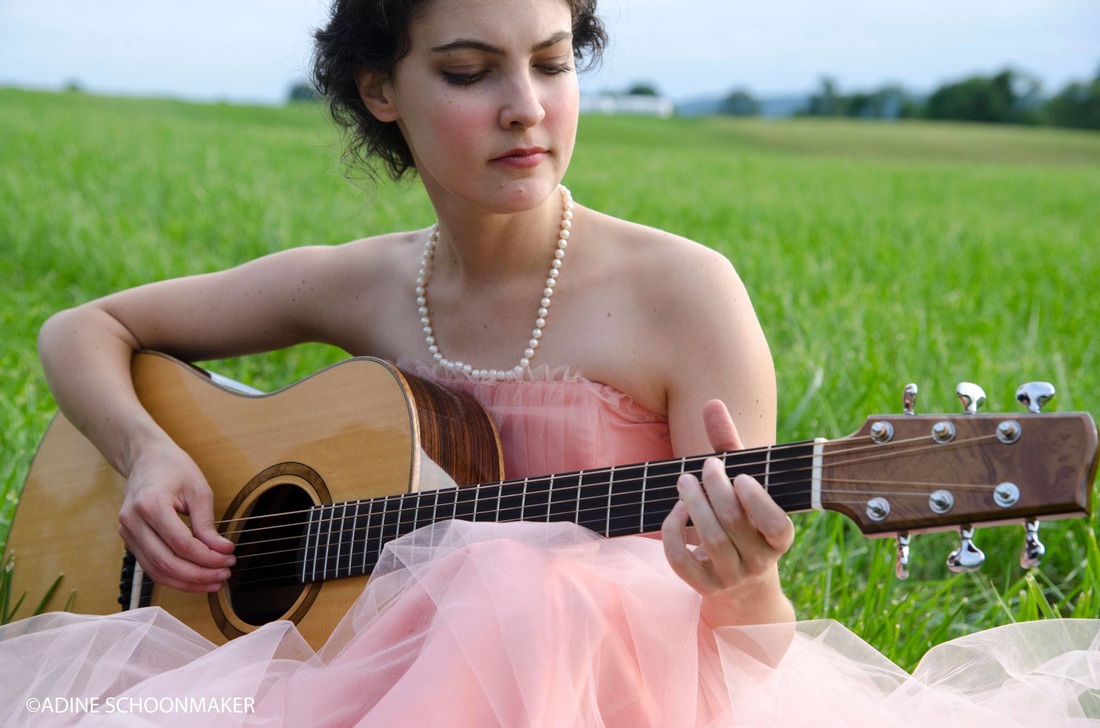
Lauren Mettler - Photo by Adine Schoonmaker
When listening to Lauren Mettler's album "A Handful of Soil" you can almost imagine that it was a record made 50 years ago. It has the distinct, quietly poetic sound of Pete Seeger, Fairport Convention or Kate Wolff, exuding an almost timeless quality. Lauren's voice is reminiscent of the sounds you might hear pouring out of a 1960's village Cafe, a rich mix of folk and blues that is lyrically strong to its core. AHC: What has this journey, this life in music, so far, been like for you, the highs and the lows, and what life lessons do you feel you've picked up along the way? Lauren: What has this life in music been like… That’s a big question! Music started for me as a social thing. I made my closest friends in high school trading songs and critiquing back and forth. It was a means of communicating. Many of these friends and I tried out a few band combinations before I landed in an early version of my brother, Joseph’s band, Rabbit in the Rye. This was challenging, as we were a six-piece band. There were personality clashes, and lack of practice, questions of commitment, etc. Most notably, though, I had a body of work that I wanted to play, and it was competing for the spotlight in Joe’s group. I broke off in order to work on my own projects. Since then, I have experienced some hurdles in getting my own career underway, the most significant of those being challenges with my health. My most recent accomplishment, the double-release of my first two albums, has been three years in the making. It has been frustrating at times, mostly because I have had people waiting on pre-orders of the albums. Ultimately, though, it has been a very rewarding process, otherwise I never would have made it to production. I think that most importantly, I have learned that you cannot rush the creative process, and that you have to be patient with yourself. More generally, music has taught me to encapsulate my experiences as stories, to process my experiences emotionally as lessons, and to collaborate: to listen, to critique, and to allow others to do the same for me. AHC: What first drew you to music and what was your early musical environment like growing up? Were there pivotal songs for you then that just floored you the moment you heard them? Lauren: Music chose me, not the other way around. I was lucky to be raised by two musicians, so I was pretty immersed from day one. My mom was a solo singer-songwriter, going by the stage name Diana Lynn and my dad was a lead guitarist in a Blues rock band called Bag ‘A’ Bones. There were definitely songs that were pivotal and foundational to my musical and personal journey. I wouldn’t say I was really “floored” by any music in particular. I think as a child, I appreciated music more on a visceral level, without much conscious awareness of the craft. “Wayfaring Stranger,” an old folk tune, was pretty formative and also “The City of New Orleans,” by Steve Goodman. AHC: Do you remember the first song that you ever wrote? Lauren: The first song that I ever “wrote” was kind of strange, actually. I was eight or nine years old, and it was a very short, haunting song about death. I remember it vividly, though I never really wrote it down. It, perhaps, had some Tom Petty influence. At age eleven, the first song I remember actually recording in written form is one I called “Eagles Wings and Moonbeams.” It was about a boy in my class who I had a crush on. Do those count? It’s funny to go back that far, because I started early. I guess the first song that I would consider a serious milestone in my repertoire would be when I was sixteen and wrote a song called “Snapshot,” about the last Russian Tsar and his family, inspired by history class. AHC: Who are some of your musical inspirations? Which musicians have you learned the most from? Lauren: Another big one! My early influences include Joni Mitchell, Carole King, and Tracy Chapman. Some Rolling Stones. My mom sang a lot of jazz standards and listened to some classic jazz Greats, like Ella Fitzgerald and Etta James. My dad’s band played blues-rock, so I would say I have heavy influences from there. I listened to a lot of 90’s pop music as a kid, including the Hanson brothers (who taught me how to harmonize), Paula Cole, Sheryl Crow, TLC, and Alanis Morissette. I have some world music influence from years of having only one viewer-paid channel on our dish called “World Link.” It was a non-profit organization that tried to discover musical talents in underexposed parts of the world. In my teen years, all I listened to was musical theatre. In college, a lot of Bob Dylan. Through friends I’ve met, and other musicians I’ve played with, I, now too, listen to a lot of oldies. I love any folk music. I especially love old folk music, and how it differs from culture to culture. Some modern artists I listen to and admire are Devon Sproule, Sarah Jarosz, Abigail Williams, Ray LaMontagne and Fleet Foxes. AHC: What do you think makes for a good song, as you're writing and composing, is there a sudden moment when you know you've found the right mix, that perfect angle of light, so to speak? Lauren: To me, a good song is one that is relatable. Firstly, the content must be coherent and secondly, relevant. I experience many “aha!” moments in writing any given song. Each realization is unique to the song itself. Some songs will come like lightning flashes, and some, however, will take years to get past certain stumbling blocks and finally find what it is that particular song was missing. AHC: How has your music evolved since you first began playing? Lauren: My music has evolved since I was young into a finer craft. I am more aware of how to build a song, how to create a song structure, and how to lyricize my ideas. I have become a multi-instrumentalist over the past five years (since age 22), after starting on the guitar at age 9. I have found that writing on different instruments has made me think of music in different ways. Each instrument has its own sort of “voice.” I will only write certain types of songs on the ukulele, or on the banjo. Each one summons different emotional timbres from me. AHC: Do you consider music to be a type of healing art, the perfect vehicle through which to translate a feeling, a state of rupture, hope lost and regained? Does the writing and creating of the song save you in the kinds of ways that it saves us, the listener? Lauren: Music is one of the ultimate Healing Arts, absolutely. I think a song that reaches people on a fundamental level must have moved the artist in a profound way. AHC: What are your fondest musical memories? In your house? In your neighborhood or town? On-tour, on-the-road? Lauren: Some of my fondest memories playing music at home are my early performances with my mom. She would feature me harmonizing with her in some songs, and I cherish those as my first performances. I also look back very fondly on my writing sessions with Ellen Fagan, my earliest and longest-standing writing collaborator. She and I shared a lot through music and continue to, to this day. I will always be very fond of a performance that Ellen, my brothers, Joseph and Isaac, Stephanie Joyce, and Adrian Enscoe put together as the band, Ragamuffin, at the Barge Canal Coffee House. It was organized fairly haphazardly, but energetically, was a really magical performance. And finally, I will never forget the crowd that rallied around me for my kickstarter fundraiser festival. It was a moving experience to have so many talented friends come together and play music on a stage we built on my parents’ property, in support of my first recording project. AHC: What would be your dream gig, if you were asked to go on tour and open up for one of your musical heroes or heroines? Lauren: My dream gig would be to open for Bob Dylan. Of anyone, it is his songwriting I admire the most. AHC: Do you have any words of advice for other musicians and singer-songwriters out there who are just starting out and trying to find their voice and their way in this world? Lauren: My advice is just to stay true to yourself. I think it’s important to maintain your own voice and craft, despite any pressures telling you what is or is not marketable. The important thing is the integrity of the message, and the purity of the creation. Make sure that your audience receives it just as you intend it. If you write and play from the heart, then you are assuredly providing something that can reach someone else’s. AHC: Do you have any new projects in the works you'd like to tell people about? Lauren: My first two albums were just released this October 15th. One, “Patchwork,” was recorded in studio with full instrumentation. "Patchwork" brought together many peoples' efforts, friends, local musicians, and took a considerable amount of time and attention from all who contributed, so like a patchwork quilt, was assembled with different shades, colors, and influences over the years it has been in progress. The other, “A Handful of Soil,” was recorded solo, at home, and is a raw, journalistic showcase of my more recent songwriting. I recorded “A Handful of Soil” in my own childhood bedroom, which I converted for a few months, into a studio. It was tracked entirely by myself. This one, in production, is more bare-bones and raw. There is more of a focus on the lyrics, with only basic instrumentation, but the songs are more elaborate in content and mature in musical composition. In contrast to "Patchwork," "Handful of Soil" was created more organically and quickly, much like scooping up a handful of earth, rich and ready to be sown. Either or both can be streamed and purchased at laurenmettler.bandcamp.com. 10/21/2016 0 Comments Three Poems by Donal Mahoney Unintelligent Design An hour a day, sometimes more, I chipped away with mallet and chisel on a block of marble I found in Carrara and shipped to New York on the deck of a trawler. I offered the marble to a famous sculptor who told me he works in granite only so I grabbed his beret and one of his smocks and said I'd sculpt the block myself with whittling skills picked up as a kid from a drunken uncle named Whittling Sid. Several weeks later, to my surprise, I finished the bust of a chimpanzee simply by wielding mallet and chisel the way I wield pencil and eraser when hewing a poem. Working with marble or working with words, a sculptor or poet proves less is more by chipping away until something emerges upright and walking with a soul of its own. An Old Poet Shares a Secret The editor of the school paper came at the appointed hour and found the old poet in his backyard alert in a lawn chair with a butterfly net on his lap. She opened her iPad, conducted her interview and asked him at the end where poems come from. The old poet said he didn’t know. That’s why he has his butterfly net. If a poem floats by he uses his net to lift if carefully out of the air, take it in the house and pin it to the wall with his name under it. When his wall’s covered with poems he calls his publisher who comes and takes the poems away. In six months the old poet says he has another book on Amazon. Just Like Yesterday Fred and Martha have always voted the same way since their marriage long ago but not this time and Fred wondered why Martha was voting the other way until the other night when they listened to the news and heard women as old as Martha say they had been molested as a child. During the commercial Martha told Fred she too had been molested and she remembers it just like yesterday. She had never told Fred before. He did his best to look stoic but felt guilty for every man. Martha explained what happened that day in the back seat of the Buick next to her father’s friend from work when they were all going to the carnival to ride the tilt-a-whirl and her father didn’t see what happened in the rear-view mirror. Martha didn’t tell her father. She was 12, after all, going to the carnival to ride the tilt-a-whirl on her birthday like her father promised. She didn’t want to ruin everybody's day.  Bio: Donal Mahoney, a product of Chicago, lives in exile now in St. Louis, Missouri. His fiction and poetry have appeared in various publications, including The Wisconsin Review, The Kansas Quarterly, The South Carolina Review, The Christian Science Monitor, The Chicago Tribune and Commonweal. Some of his online work can be found at http://eyeonlifemag.com/the-poetry-locksmith/donal-mahoney-poet.html#sthash.OSYzpgmQ.dpbs=
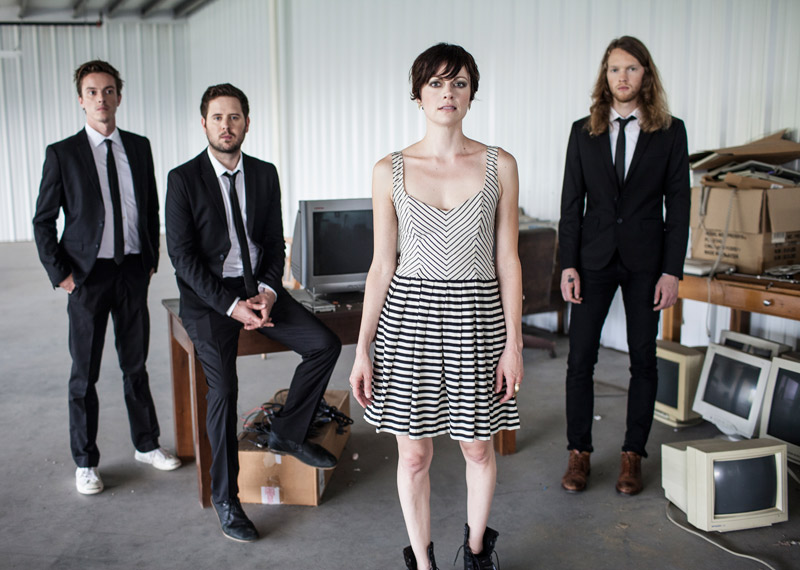
Kate Tucker + SOS
Kate Tucker + The Sons Of Sweden create lush, cinematic sounds that stay with you and are very hard to get tired of. In fact each repeated listening feels like the first time. Like a blend of Mazzy Star and Cocteu Twins, Tucker creates a musical score that sets you to dreaming. The Shape The Color The Feel is easily one of the most gorgeous recordings ever made, while her solo project, White Horses, combines this magic with a rich flavoring of Americana. In essence, it is a music that dreams big, leaves enormous energy in its wake and transports the listener to an enduring state of grace. AHC: What has this journey, this life in music been like for you, the highs and the lows, and what life lessons do you feel you've picked up along the way? Kate: I think the best lesson I’ve learned began with something Robert Deeble told me backstage at The Triple Door in Seattle many years ago. He said, “Kate, you know, you are not your music. You are you. Your music is just one part of you.” It took me sometime to grasp the depth of what he was saying, but after years of striving and doing everything I could to “make it” as an artist, I realized that it’s LIFE that we are living, and this is my one single life as far as I know, so living it well and doing everything I can to be fully alive is the business about which I must concern myself. It just so happens that writing music and singing songs is still the best way I’ve found to do that. But it feels very different now. It feels like a gift. AHC: What first drew you to music and what was your early musical environment like growing up? Kate: I lived a very sheltered existence musically, early on. My parents didn’t permit anything ‘secular’ in the house, but we did listen to classical music which gave me a strong sense of melody, harmonics, and overall arrangement. I suppose it gave me drama too. And emotion, and all the things that come with good music. When I would go trucking with my dad or my uncle, we would listen to classic rock and that’s where I wanted to be. AHC: Were there pivotal songs for you then that just floored you the moment you heard them? Kate: “Dreams” by The Cranberries came along with this very visionary moment in my youth. “Wish You Were Here” was the first song I really felt an adult sense of longing and nostalgia, well before I’d lived enough years to be nostalgic. “Sweet Child of Mine,” “Carry On Wayward Son,” “Dream On,” played over and over in the truck with my dad and those moments felt huge. U2’s “All I Want Is You” devastated me. I was a hopeless 90’s romantic. AHC: Do you remember the first song that you ever wrote? Kate: My parents gave me a cassette recorder when I was 4 years old and I pretty much got right to work, so I have no idea what my first songs were, but I definitely sang them loudly from the backseat of the car on the way to church. AHC: Who are some of your musical inspirations? Are there certain albums or songs you couldn't live without? Kate: Musical inspirations are Patti Smith, Mick Jagger, Lou Reed, Tom Petty, Neil Young, Neko Case. Albums I go back to consistently over very different times in my life include Grant Lee Buffalo Might Joe Moon, Mazzy Star So Tonight that I Might See, Cowboy Junkies Studio, Innocence Mission Glow, Long Division by Low, Wilco’s Yankee Hotel Foxtrot, Emmylou Harris Wrecking Ball, Daniel Lanois Belladonna, Black Angels Passover, Band of Skulls Baby Darling Doll Face Honey, Bob Dylan Blood on the Tracks, The Velvet Underground and Nico, Let it Bleed by the Stones. AHC: What do you think makes for a good song, as you're writing and composing, is there a sudden moment when you know you've found the right mix, that perfect angle of light, so to speak? Kate: If I feel it in my body I know I’m onto something. It’s the songs that make me cry when I’m writing them that usually have the most life in them. AHC: Do you consider music to be a type of healing art, the perfect vehicle through which to translate a feeling, a state of rupture, hope lost and regained? As a listener of music I have this impression, I wonder, as the artist, the creator, do you have this feeling about the transformative power of song? Does the writing and creating of the song save you in the kinds of ways that it saves us, the listener? Kate: Yes most definitely. My mother passed away this last year and I don’t know what I would have done if I had not been able to sit down and write it out in song. Music is cathartic from start to finish, for the writer, the performer, and the audience. It’s a force well beyond anything any one of us can conjure on our own. AHC: When you set out to write an album of songs, how much does 'where the world is' in its current moment, culturally, politically, otherwise, influence the kinds of stories you set out to tell? Kate: Lately a lot more than I had thought, but I hear quite a few folks saying that. I think collective consciousness finds its way into any “true” story, whether it be told from a pulpit, a soapbox, a storefront or a stage. AHC: I read this beautiful quote once which reads "music is not only the art of harmonious sounds; it is the expression of the world before representation", I wonder do you experience music in this way, as you create, write and compose your songs, do you have the feeling that there is something in the music that jumps ahead of you, so to speak, some ineffable mystery that you try to put your finger to the pulse of? That the song is a translation of a deep inner experience that is sometimes, maybe not always, hard to name or recognize outright? Kate: I joke about how people better look out cause I’m writing into the future, but actually I’ve seen a few of my songs that puzzled me upon writing them, come true, sometimes unfortunately. Prophecy is a dangerous modus operandi. AHC: What are your favorite on-tour, on-the-road memories? Kate: Night drives under the full moon, especially in the desert. One time we were heading to Sedona with our first day off in a while. We had driven in the night before from a show in Phoenix and the terrain looked more like Mars than Arizona, with everything in eery lunar relief. With Band of Skulls on the radio, it seemed like we could just slip into another dimension. The next day the guys went golfing and I proceeded to get lost in the desert for four hours with no water or cell phone. To celebrate finding my way back, I went to see a roadside psychic and bought a bunch of crystals. We had steak for dinner that night. AHC: Do you have any words of advice or encouragement for other musicians and singer-songwriters out there who are trying to find their voice and their way in this world? Kate: That cliche that we hear about music being its own reward — it’s true. If you’ve lost sight of that in the glare of ambition and the din of the expectation, find your way back somehow to the very center of song. We are so lucky to be able to listen to the records we love and go see the artists who inspire us, AND we also get to write and sing and play our own songs and use our very own very unique voices. In any capacity, this is an incredible gift. You are needed. Your songs are needed. Your voice is heard. AHC: Do you have any new projects in motion you'd like to tell people about? Kate: I have a new band called Little Reader and we just finished our record, produced by Mark Watrous, here in Nashville. We’ll hopefully have a single out soon with the new album out in early 2017. I’m back in the studio right now finishing the new Kate Tucker record too. Thanks for listening. For more information visit www.katetucker.net/ & katetuckerandthesonsofsweden.com/ 10/20/2016 0 Comments Three Poems by Jim Gibson Plastic Powder Open steel beams Line the Factory walls Steel grinders echo Ear muffs must be worn Shouting orders The suit and hi-vis gaffer Parks Merc between Transits Rolex in the sun; winking Workman inject moulds To create plastic for the objects That no-one would think Need, at some time, producing Gary’s helmet sits atop An unfreshly shaven head Pot-belly pops out vest His stubble turning grey He wanders around the open space Nodding at Dave Sliding forklift pallets Onto Reach Truck’s plates Gary’s daughter doesn’t come round anymore Now that her mum won’t let her Because John’s Moved in He needed a place to crash And Gary did him a favour But scales, foil, weed stench Leaves an unliveable aroma How could he kick John out? Who was the one who bought off Gary’s debt? By some cold means, those hooded human beings Don’t cause a threat anymore The last time he saw his daughter He agreed to have her for New Year’s eve Where the two stayed home Dance-cheered to the beat With a Breezer in her hand And Budweiser in his Head’s both full Of New Year’s New Dreams The shadow The red bricks don’t define us The lines in the concrete aren’t the lines on our palms But it’s undeniable that they’re a part of our being It’s not the Sunday streets that lack the patter of feet It’s everyday The shop sells Happy Shopper To the inhabitants That don’t need more To those who have no car -secluded- Fields and woods line our boundaries The pit-top now a housing development If you ask an older person they’ll soon tell you About Thatcher About their coal allowance About their friends that died down the mine But to us that’s the shadow we were born under A darkness of origin unknown Yet knowing – somehow – that it could be brighter I don’t feel anything for the past before me Not remorse, sorrow or triumph I understand the pain through a reasoned mind Yet in my gut it’s all words and pictures And when people tell me stories, I nod and agree But in reality, we’re here And what you’ve said Means fuck all To me Childhood Ethics At the pond they’d throw rocks At frogs trapped in floating Tupperware prisons Splashing Missing The ripples Quickly Dispersing They’d poke and prod the beehive With a sturdy arm extension stick Then run Off In different Directions Away from The hoard of bees Then at the trains station They’d all throw stones Until Jack chucked a brick I can’t believe (regret filled his soul) you did that That’s fucking (surrounded by his friends) bait mate You horrible (he never felt more alone) bastard (he looked at the floor for company and decided to walk home)  Bio: Jim Gibson grew up in the feral plains of England in an ex-coal mining village, Newstead, where the lack of employment was overshadowed by the grand home of the poet Lord Byron. This juxtaposition could have been the trigger that started him on his literary path. He is currently the fiction editor for Hand Job Magazine, where he tries to encourage the lesser voiced truths of our society. Find him at jimegibson.com
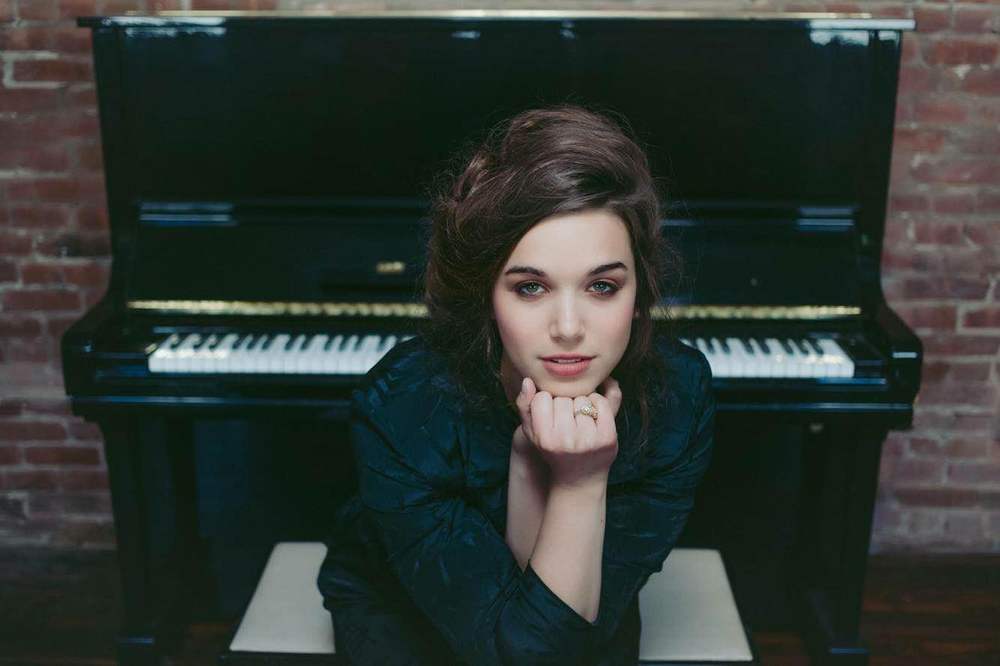
Photography by Bartosz Maciejewski
"I'm not single, I'm in an abusive relationship" a powerful line from beccs new song "Therapy" which explores the damaged sense one has of oneself and the struggle to come to terms with how we treat and view our own lives. A love song, but one of deep appreciation for the utterly unique and resilient selves that we are. When listening to beccs music I am reminded of a line from Tori Amos about "putting the damage on", only in reverse, beccs is taking the damage off, embracing the self and all of the ways that we find to get through our worst years and battles with who we are, and, ultimately finding out in the process who we might yet be, who we were all along. Here lies a music of unfound beauty, inner struggle and ultimately a celebration of self, after the long nights have worn through and the cosmic light of morning comes again, when what and who we see after all of that, is something that we can finally say "yes" to. AHC: What has this journey, this life in music been like for you, the highs and the lows, and what life lessons do you feel you've picked up along the way? beccs: I feel young. I am at a point in my life when something that started out as a means of survival, my primary outlet for expression, is now my career. Turning my passion into a business is not easy, but the accountability has done a lot of good for me. It's asked me to take care of myself and give myself what I need. As young and mercurial as I am, I know I want longevity as an artist. Identifying that and committing to it this early on is a lesson in itself. AHC: What first drew you to music and what was your early musical environment like growing up? Were there pivotal songs for you then that just floored you the moment you heard them? beccs: My dad forced music on me and my brothers at the age of 4. I was handed the cello. There were a lot of tears shed during my practices. I'm surprised I kept up with music. We listened to Prog Rock, The Beatles and Sondheim growing up and jammed as a family to some of the toughest “Yes” tunes. I was a sponge when it came to music and was always singing and entertaining, in musicals, jazz bands, a capella, and in all my free time. Laura Nyro's "Eli's Coming" will never stop flooring me. AHC: Who are some of your musical inspirations? Are there certain albums or songs you couldn't live without? beccs: Laura Nyro, Suzanne Vega, Nina Simone, Joni Mitchell, Ella Fitzgerald, K.D. Lang, Rufus Wainwright, The Beatles, Sylvan Esso, Fiona Apple, Regina Spektor, Anohni, Rhye, Paula Cole, Beyonce. Songs that I have spent weeks at a time with include Lang’s “The Valley”, Nyro’s “Eli’s Coming”, Wainwright’s “Leaving for Paris No. 2”, Buckley & Fraser’s “All Flowers In Time Bend Towards the Sun”, Sylvan Esso’s “Coffee”, Unknown Mortal Orchestra’s “Multi-Love”, many songs from Supertramp’s “Breakfast in America” album and Beyonce’s “Lemonade” as well as “Supermoon” from the recent Lang/Case/Veirs album. AHC: What do you think makes for a good song, as you're writing, composing and performing, is there a sudden moment when you know you've found the right mix, that perfect angle of light, so to speak? beccs: I personally tend to write from a place of need; communicating something my body needs to say. Finding the right mix is a very intuitive, visceral moment of arriving for me. It usually happens in the form of a catharsis. Once that takes place, I begin to craft, making small adjustments to earn the moments that really speak to me. AHC: Do you consider music to be a type of healing art, the perfect vehicle through which to translate a feeling, a state of rupture, hope lost and regained? As a listener of music I have this impression, I wonder, as the artist, the creator, do you have this feeling about the transformative power of song? Does the writing and creating of the song save you in the kinds of ways that it saves us, the listener? beccs: Songwriting is like my sister. It holds me and heals me. Sometimes I go a while without seeing her. That can be hard. But when I do see her, when I’m ready to accept her love and honesty, I can be lost again. I like this idea of a “state of rupture” because those are the times I can’t help but write. Something shifts, and the waters underneath reveal themselves and song begins to flood me. AHC: When you set out to write and create an album of songs, how much does 'where the world is' in its current moment, culturally, politically, otherwise, influence the kinds of stories you set out to tell? beccs: When I began writing music my world was very small. I didn’t understand how my personal struggle as a girl with an eating disorder was connected to society at large. Over time, I’ve picked up on the connections: while the songs on my EP ‘Unfound Beauty” trace my relationship to myself, my recovery, and my struggle to find my own “unfound beauty”, they map a struggle that is related to, if not symptomatic of, society’s treatment towards women. My newest song “Daughters” feels both deeply personal and political to me, something increasingly hard to avoid in today’s political climate as a woman. AHC: Do you have any words of advice or encouragement for other musicians and singer-songwriters out there who are trying to find their voice and their way in this world? beccs: There’s only one you. Get intimate with yourself, catch yourself in your stylistic traps and keep checking in and challenging yourself so that you can evolve as a person and an artist. Try not to separate the two. Most importantly, feed yourself with a variety of things, people, places and scents you love. Sometimes the soul gets dry. Keep finding ways to keep it moist. Stay full and let your voice stem from a place of stillness as much as you can. AHC: Do you have any new projects in motion you'd like to tell people about? beccs: I just released by debut EP ‘Unfound Beauty’ produced by Richard Barone and my music video “Therapy” directed by Julia Barrett-Mitchell. I would love for you to listen to ‘Unfound Beauty’ EP available on Soundcloud, Bandcamp, Spotify & iTunes. To hear about future shows and projects, you can keep in touch via Facebook, Instagram, Twitter and www.beccsmusic.com. 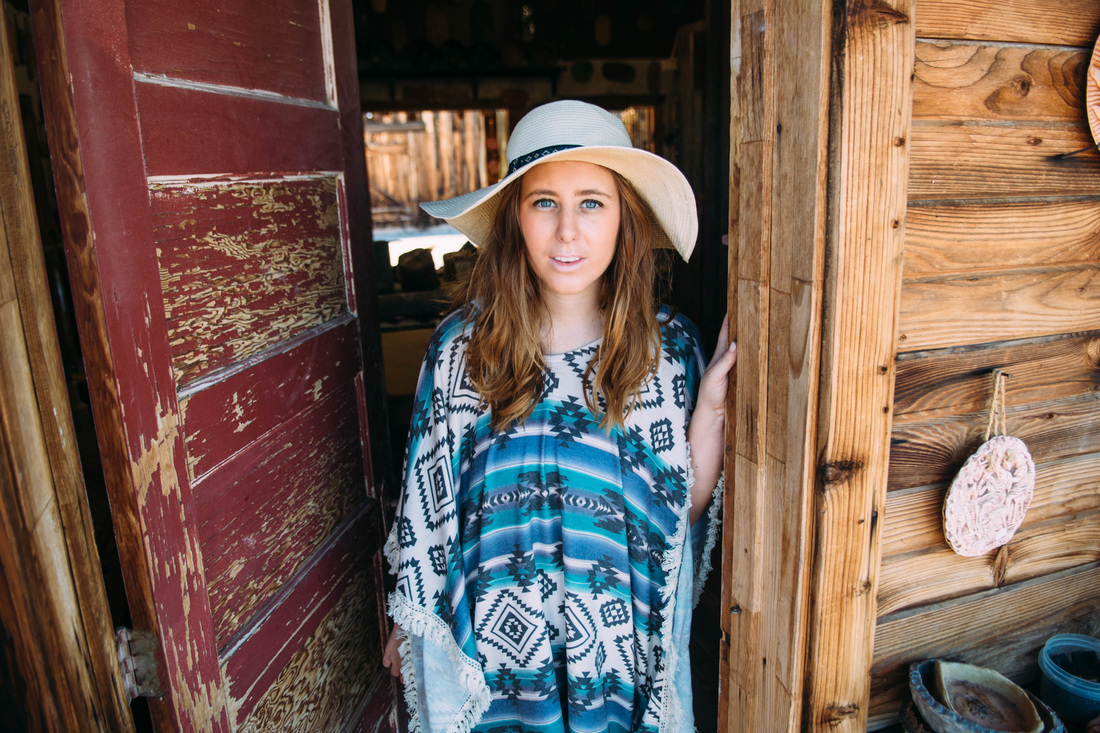 Mary Palma - Photograph by Emily Jean Thomas www.emilyjeanthomas.com/
AHC: What has this journey, this life in music, so far, been like for you, the highs and the lows, and what life lessons do you feel you've picked up along the way? Mary: I've always tried to take everything with a grain of salt. I think that's the most important thing. Dream big, but keep it in perspective. Do the work and if it works, it works. I've played to big, responsive crowds and to empty coffee shops where people are wearing headphones. When I lived in Nashville, it could get disheartening. I would see people I knew getting these big opportunities and it's hard not to be jealous. A lot of it was that they were putting in more work, and a lot of it was honestly luck. The best thing I learned in Nashville was to put your work first and make that the best it can be and worry about everything else after. That's why I ended up moving home to Phoenix and eventually writing this album, so that it could be the best it could be. AHC: What first drew you to music and what was your early musical environment like growing up? Were there pivotal songs for you then that just floored you the moment you heard them? Mary: My parents are real hippies. They raised my sisters and I on music like Peter, Paul & Mary, the Grateful Dead, Bruce Springsteen, the Mamas and the Papas... My mom was more into country than my dad, and she played us the Dixie Chicks, George Strait, Faith Hill, Travis Tritt, etc... I remember my first cassette tape that I chose and was really mine was Blue by Leann Rimes. What a voice on that girl. Of course, my sister pulled out all the tapes and cut them with safety scissors. Pivotal songs were ones like "Blowing In The Wind" and "Born To Run." AHC: Do you remember the first song that you ever wrote? Mary: The first one that really sticks out in my mind is a song I wrote when I was in 3rd grade and it was about a princess whose hand maiden told her she had too many shoes and basically the princess was like, "Shut up. No one has too many shoes." Really hard-hitting stuff. AHC: Who are some of your musical inspirations? Which musicians have you learned the most from? Mary: One of my biggest and earliest is Bob Dylan. Bruce Springsteen is really up there too. Joni Mitchell, Sheryl Crow, Dolly Parton, Jenny Lewis. I think the person who inspired me to really get into my own music was Avril Lavigne. I was, of course, a huge fan of hers when I was a kid and still kind of am. I really loved her 2011 album Goodbye Lullaby. I've always been drawn to songs with honest lyrics. I think that's what made her so great when she first started, because as much as I love Britney and Christina, they weren't as real. The same goes for Taylor Swift. What I love about her is that even in crowds of 50,000 she can play completely acoustic by herself and everyone in the arena is completely enthralled. From her, I think I've learned to be honest in songs and not let a fear of what people might think get in the way. She could have left out details in "All Too Well" so no one would know who it was about, but it wouldn't be the same, for her or us. The magic of that song lies in the details. AHC: What do you think makes for a good song, as you're writing and composing, is there a sudden moment when you know you've found the right mix, that perfect angle of light, so to speak? Mary: The most important thing for me is honesty. If I feel like a song I write doesn't have something to relate to, I don't like it. It doesn't necessarily mean that everything you write has to be true, it just has to be real. I don't think there's ever a real ah-ha moment for me. Usually I write something, play it for a while and the good ones keep getting played and the less good ones fall off setlists. When I went to put together the tracklist for this album, I looked at what songs I love playing the most and what songs I've been playing longest. AHC: How has your music evolved since you first began playing? Mary: First off, it's gotten a lot better. Besides that though, I think I've found my niche, where I want to be. When I first started playing, I didn't know what I wanted from it, and I couldn't always hear the whole song. I still write in the same ways, but I've gotten better at hearing the production. AHC: Do you consider music to be a type of healing art, the perfect vehicle through which to translate a feeling, a state of rupture, hope lost and regained? Does the writing and creating of the song save you in the kinds of ways that it saves us, the listener? Mary: Absolutely. Dave Matthews says in Funny the Way It Is "Someone's broken heart becomes your favorite song" and that is the truest statement I can think of. I think if I didn't write, I'd go completely insane. I've never been good at keeping journals or venting to friends, so I just write what I'm feeling into songs. Maybe that's why all my songs are sad. AHC: What are your fondest musical memories? In your house? In your neighborhood or town? On-tour, on-the-road? Mary: My first concert was the Backstreet Boys in 2001. I will always hold that so dear. This year, I got to see Bruce Springsteen and the man played for 4 straight hours. It set the bar pretty high for any show I ever go to now. I've seen my girl Taylor Swift twice, and both were wonderful shows. Death Cab for Cutie is my all time favorite and I've seen them at least 7 times. Noah Gundersen, Liza Anne, Matt Hires and Jenny Lewis have put on my favorite shows in the last year. AHC: What would be your dream gig, if you were asked to go on tour and open up for one of your musical heroes or heroines? Mary: Taylor Swift, for obvious reasons. Besides just the sheer honor of it, it's a no-brainer career wise. We could gel, even with her new pop sound. I'd love to go out on tour with Keith Urban or Kacey Musgraves, too. AHC: Do you have any words of advice for other musicians and singer-songwriters out there who are just starting out and trying to find their voice and their way in this world? Mary: Just keep writing. When I was 17, my friend Leah signed on the inside of her CD cover to me, "Keep writing" and every time I get down on myself, or feel like my "career"isn't going how I want it to, that's what I think about. Do the work. Don't listen to people who say you HAVE to do this or that, just do what feels right for you. When I was younger, I tried to write a song every day and I ended up frustrated and confused and out of material. Now, I only write if I have something specific I want to say. Even then, that's not a one-size-fits-all. AHC: Do you have any new projects in the works you'd like to tell people about? Mary: Nothing in the works, but I'm excited to see what's next! For more information visit www.maryplaysmusic.com/ To purchase and listen to Mary's brand new release 'Drinkin' About You' visit maryplaysmusic.bandcamp.com/album/drinkin-about-you  Death Is Bliss (for Amina) pain poems are sadist hidden in dark tunnels in dark alleys each running with a dilaudid in their headlight in their neon light disable hashtag a hearse in sleep drones takes them beyond into a house full of sunlight where life was a boy dangling in the arms of laughter with the silver shades playing tag among the trees but now eras gran cosa each night is a train station leading to nowhere death is bliss... A Sea Calls You Home grisly images hastily shoved under grins: flags written on a dark skin cave into water submerge on a bed of stone each dragged puff makes a bundle feathery – sullen moon as that of a divorcee’s sighs and grunts when fatherly smooch behind mouth-brothel another moon visit on a suicide channel your ears tingle a seagull sleeps with a rizla in between fingers on a table with spilled milk, burnt tortilla on griddle pungent cottons rusty hip pop blares from LCD subsisting on rags of redemption from nightmares in baritone bites Bio: Ojo Taiye is a young Nigerian who uses poetry as a handy tool to hide his frustration with society. 
Anne Heaton - Photo by Asia Kepka
The music of Anne Heaton can lift you up and it can bring you down, take you apart and put you back together. It's a music that contains the whole spectrum of what constitutes a life, joy, sorrow, laughter and everything in between. The one thing that comes across clearly when you listen to Anne Heaton is that 'this is someone who has fallen in love with music' and who makes us fall in love with it too. There is one line that has always stayed with me through out the years and that says so much about the human condition, from her song 'Your heart is for breaking', "And if it had been perfect [we] would not remember why we do this". That's not only great music, it's perfect poetry. AHC: You've been making music for a while now, what's this journey been like for you, its highs and lows, and what life lessons do you feel like you've picked up along the way? Anne: What lessons have I picked up along the way? The process of writing songs or making any kind of art is a process of getting to know oneself (even when you're writing about others). The greatest reward for me has been knowing deeply what I think and feel and being able to express it in a way that feels authentic. Also I always learn something new when I write a song. Sometimes when I'm in conflict about something, I resolve it by writing a song. There are so many intentions one can have for writing: expressing love, saying sorry, pointing out the ridiculousness of something taken for granted in society. The list goes on and on. The other lessons I've learned are 1) that I love adventure and 2) that you need a lot more types of skills beyond musical skills to have a lasting career in music. AHC: Do you remember your first public performance, what year it was and what it was like the first time you performed your songs publicly in front of an audience? Anne: My first public performance of my own music besides open mikes was probably around 1997 at the Starbucks on 14th Street in New York City. At the time, they paid $100 for an hour-long set. I was so excited and nervous as I was new to songwriting and I wasn't sure I had enough songs to fill an entire hour. I tried to talk enough in between songs and take bathroom breaks so we could fill it! Ha! I played that first show with my now husband and guitarist Frank Marotta Jr. AHC: Do ideas for new songs occur to you at any moment or is it more of a sit-down-and-make-it-happen sort of thing? Which comes first to you, the lyrics or the music? Anne: It depends. Sometimes a lyric with a melody just comes to me while I'm walking. The song catches me. Other times I sit down and write and see what's going on with me, more in a free write sense. Later I may go back and if it feels interesting/alive to me, I may pull lines from a free write to make a song. Sometimes I'll write a song for an event like a wedding or anniversary, then I'll gather information and see what core lyric melody emerges to be the chorus, and go from there. AHC: Do you have a favorite album or song of all the ones you've recorded throughout your career? Anne: The answer to which album of mine is my favorite is always changing. Usually it's the newest one. These days I think my favorite is Blazing Red because it was born of the deepest sorrow, of the hardest time in my life leading up to my divorce, but somehow I think this album is the most uplifting, most gentle, has the greatest capacity to help someone heal from a life trauma. At least that's the feedback I get from people. AHC: Who are some of your favorite songwriters and musical influences? Is there a particular album or song that you can't live without? Anne: The music that makes me happiest is music from Buena Vista Social Club. I don't make music like this, but I feel so happy listening to it. These days I like jazz, some Nina Simone. That said Peter Gabriel's US is the record that really cemented me wanting to become a songwriter. I don't listen to it much anymore but it was the catalyst. AHC: Do you remember the first song you ever wrote? Anne: I think the first song I ever wrote "for real" was called "Isn't It True" and it's on an album that's no longer available called "Spoken From The Heart." It's very pianistic as I grew up playing classical piano so my early songs had a lot of complex playing before I opted for a simpler approach. The actual very first song I wrote was at age 4 and it was about cotton candy, carnivals and taking ballet lessons (apparently my 3 favorite things at the time). I tried to share the song at my Montessori school but I was scolded for not singing a song people all knew so I didn't write another song until my 20s. It's amazing how we can take one negative moment, internalize it and shut down for so long. AHC: What were your early musical surroundings like growing up? What were your parents listening to and did any of it have a lasting impact on you? Anne: My parents didn't listen to much music. I heard some musical theater growing up (like songs from Fame, Annie, Music Man and Sound of Music) and classical music. My grandfather "Moose" was a clarinet and flute player with an appreciation for a great melody and big band music so he would teach me some classic American songs and Irish folk songs. I remember him showing me My Wild Irish Rose, Danny Boy and many others. AHC: What are your fondest on-tour, on-the-road memories? Anne: My fondest touring memories are from being on the road with Live From New York which included the songwriters Edie Carey, Teddy Goldstein and Andrew Kerr. I remember we always had two cars and walkie talkies to keep in touch on the road. We laughed a lot on those tours. In addition to being talented musicians and songwriters, they are such funny people. Also, we really trusted each other onstage so there was a lot of risk taking and improv which I loved. AHC: Do you have any words of advice for young singer-songwriters who are starting out and struggling to find their voice and their way in the world? Anne: My words of advice for young songwriters? There are things you have control over and things you don't. Don't get too worried about the business part in the beginning (don't ignore it but don't obsess or be overwhelmed, just take one simple step at a time). Focus on becoming the best songwriter/musician you can, expressing what you most want to say, your unique way of seeing the world. Dig deep, ask for help/feedback from songwriters you admire, find a songwriting mentor, surrender to your creative process. Trust yourself. Truly focus on where you can have the most impact. AHC: Do you have any new projects that are in the works? Anne: last year I introduced Soul Songs School, a 12-week online songwriting program, to the world! Soul Songs School supports songwriters in writing from a deep, authentic place while really honing their craft. It was such a blast! It's where I'm feeling a lot of love and energy right now, talking about ways of getting into that magical creative zone and writing from there. Also, I'm hosting my first songwriting retreat in Costa Rica this February! In terms of my own next project/album, it's slowly in the works. I've been writing short stories and some songs so we will see where that leads :) For more information visit anneheaton.com/ |
AuthorWrite something about yourself. No need to be fancy, just an overview. Archives
April 2024
Categories |
 RSS Feed
