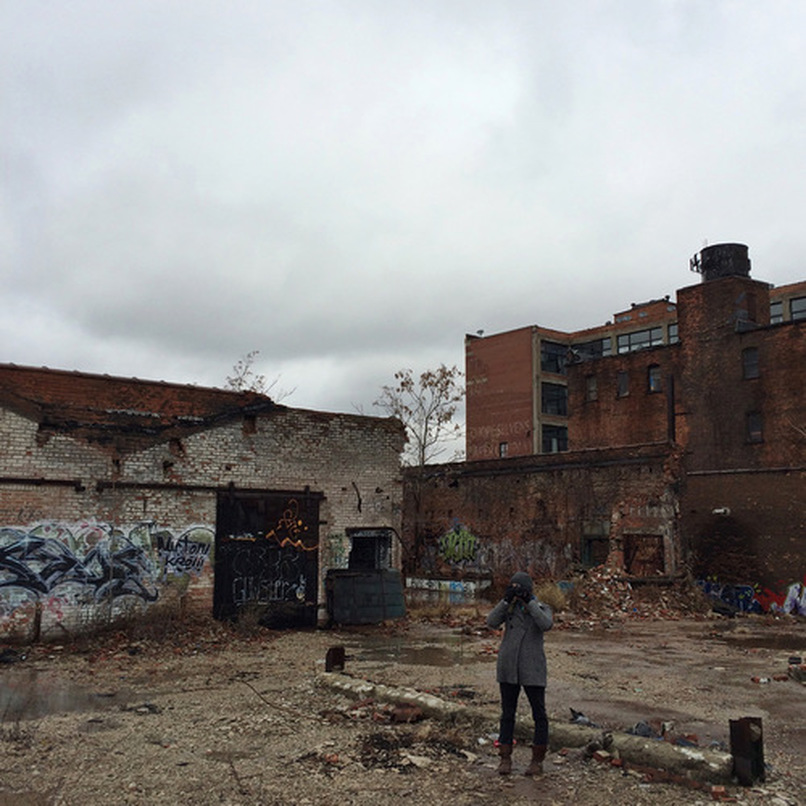
 Stephanie Buer, has spent over a decade observing the urban landscapes in Detroit, MI. She has an intimate appreciation of urban desolation and a love for the once prosperous buildings that have been abandoned to time and the elements. Her works in both oil and charcoal capture with photo-like detail the layers of gritty history that accumulate as these places succumb to the manipulation of vandals, artists, and the steady persistence of nature. In the juxtaposition between decay and growth, Stephanie finds a place that echoes the peace she finds in nature, with its endless cycles of change. Part of the power in Stephanie's work comes from the absence of human figures in a place clearly marked by them. Rather than allowing distant observation as narrative, she draws viewers in to witness the space that people have left behind, compelling them to personally experience these modern relics that have been condemned by society. The simultaneously idyllic, yet derelict scenes challenge viewers to question their notions of beauty, while the detailed texture and depth that is characteristic of her work invites them to explore these places personally, as she does while taking the photographs from which she works. 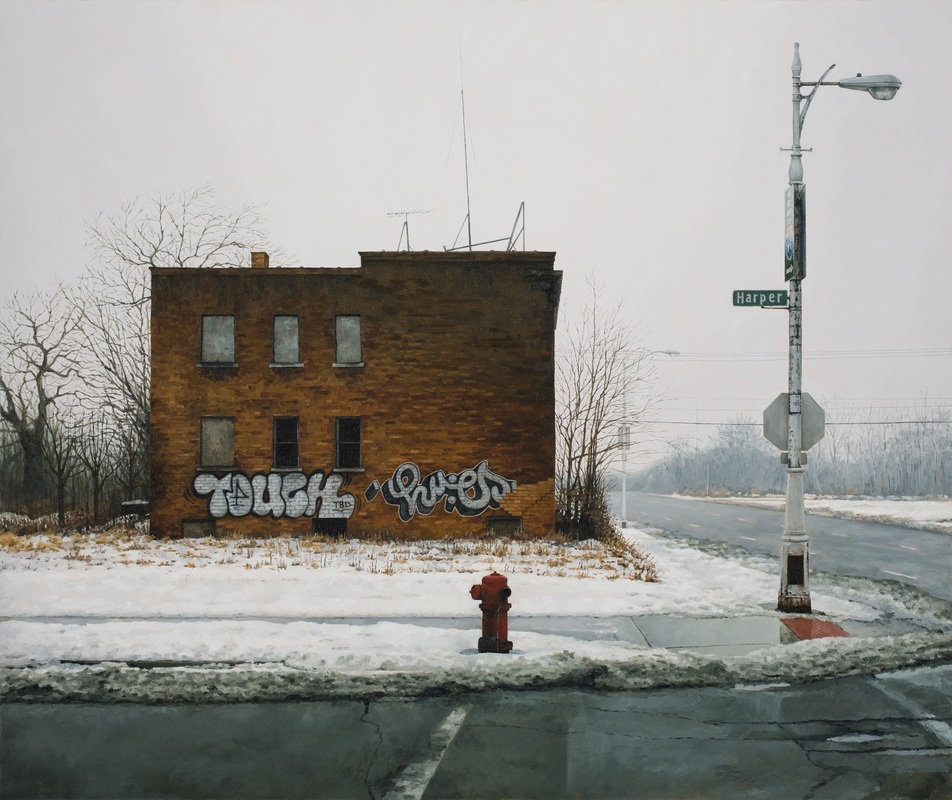 AHC: Could you talk some about your work in the Detroit area, the process of scouting locations, photographing and then painting these scenes of urban decay and desolation? Stephanie: I started exploring Detroit when I was going to college there, at the College for Creative Studies. My first time out was with some of the artists from the Heidelberg project, we would go looking for unique materials for installations they were building in the project. I fell in love and started exploring more with friends, we would hear about spots or just happen upon them while driving or riding our bikes around town. The process is pretty organic, just wander until you see something that looks interesting. I take hundreds of photographs and then pick a few I really like and make works based on them. 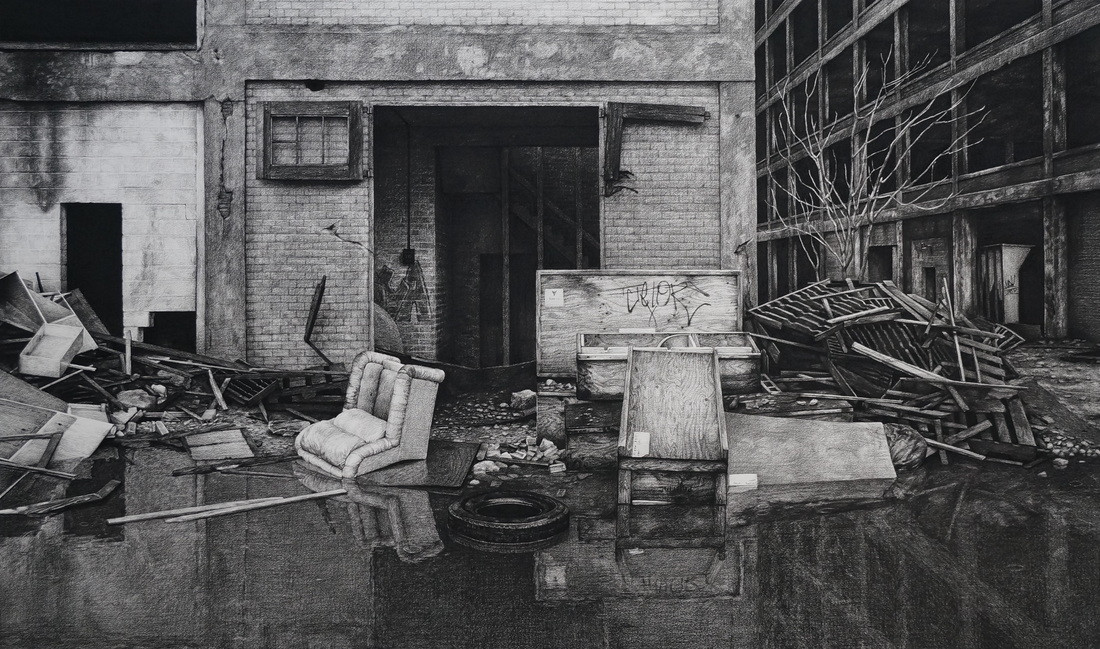 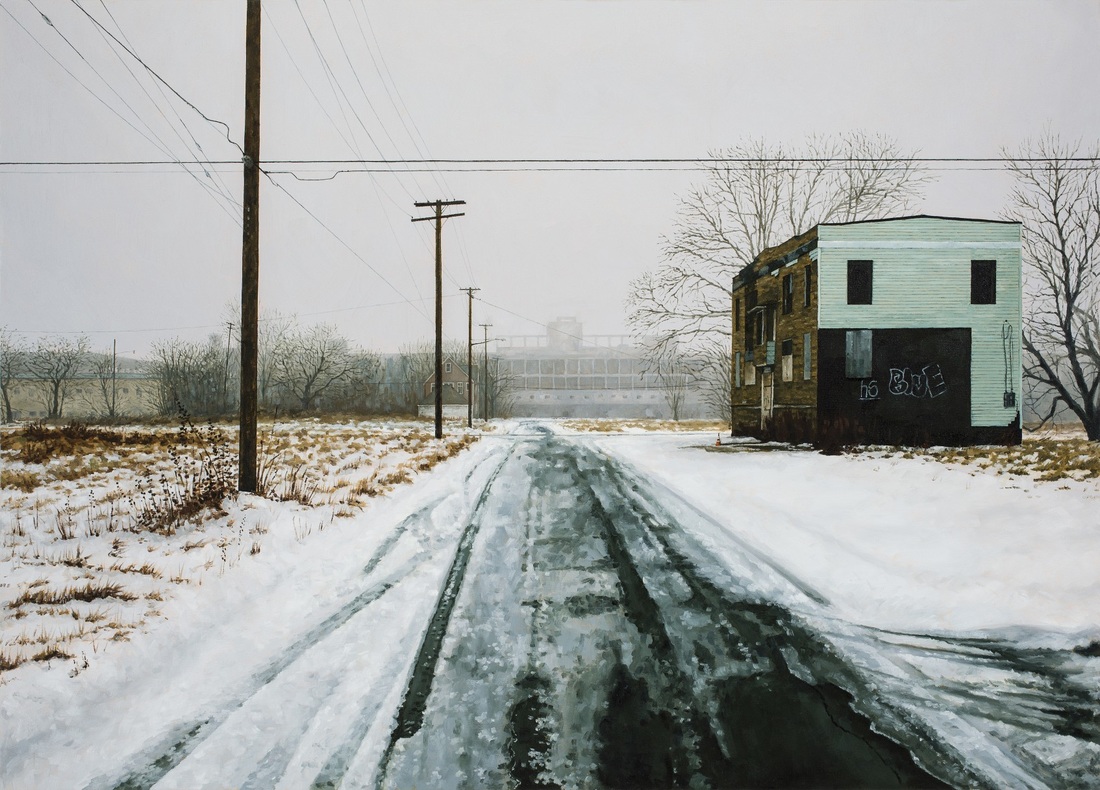 AHC: There are no people in these pieces, though we have before us haunting architectural scenes of where they once were. I'm curious if, as you walk through these spaces, you find yourself piecing together (mentally) internal stories of what the lives and daily going on's of these places once were, are there little objects left behind that make you wonder or give you clues as to what those stories and those lives were/are? Stephanie: I very rarely dwell on what types of people or activities these places were originally used for. However, the more personal the spaces are the more the thought enters my mind, like in abandoned schools and churches. I don't like exploring and painting abandoned homes for this reason. It seems too heartbreaking, those places used to be someones home, where they raised children, lived out their lives. I just don't feel right about painting these types of spaces, especially in a city like Detroit, where so many people were forced to leave their homes due to riots, foreclosures, and other such reasons. I think I'm more interested in the process of planning, designing, and building theses spaces and then at some point how they are no longer needed, and are left to just sit. The idea that this thing that took so much preparation, so much of people's lives and of the earths resources is so easily left and forgotten about. There is a building I have enjoyed exploring in Detroit for the past 15 years or so that is just so enormous, it's hard to believe that it just sits there, to rot. This is incredible to me. 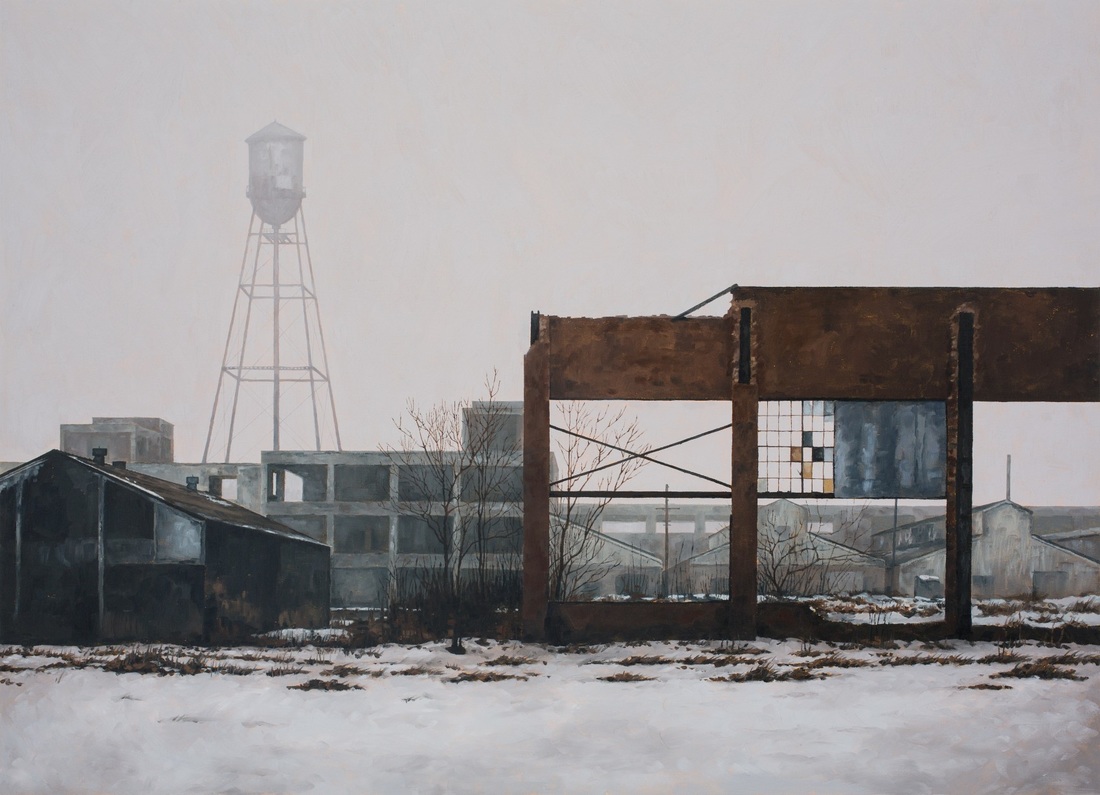 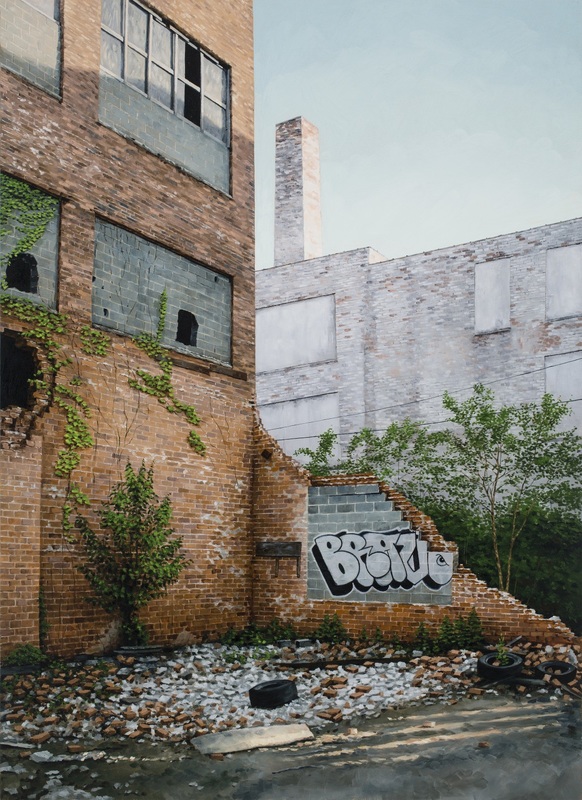 AHC: What is it about these abandoned buildings, these spaces 'condemned by society' that have compelled you to hone in on them, with your camera, oil and charcoal, your own eyes, as intimately as you have? Could you talk some about the way you see these spaces relating to the natural environment and cycles of decay and renewal Stephanie: I really enjoy exploring. I think that's what started it all. I grew up in the country in Michigan and spent so much of my time wandering the outdoors. When I moved to Detroit, it was my first time living in a big city and I really missed the woods and the countryside. I started exploring the city and discovered that these abandoned spaces around Detroit felt really familiar to wandering the woods back home. Although in the middle of the city, when you entered these spaces the noise of the city faded, there was lots of wildlife, trees, even fields, you could watch the seasons change just like in the wilderness. I love exploring all wild places and this is just a different kind of wild space. 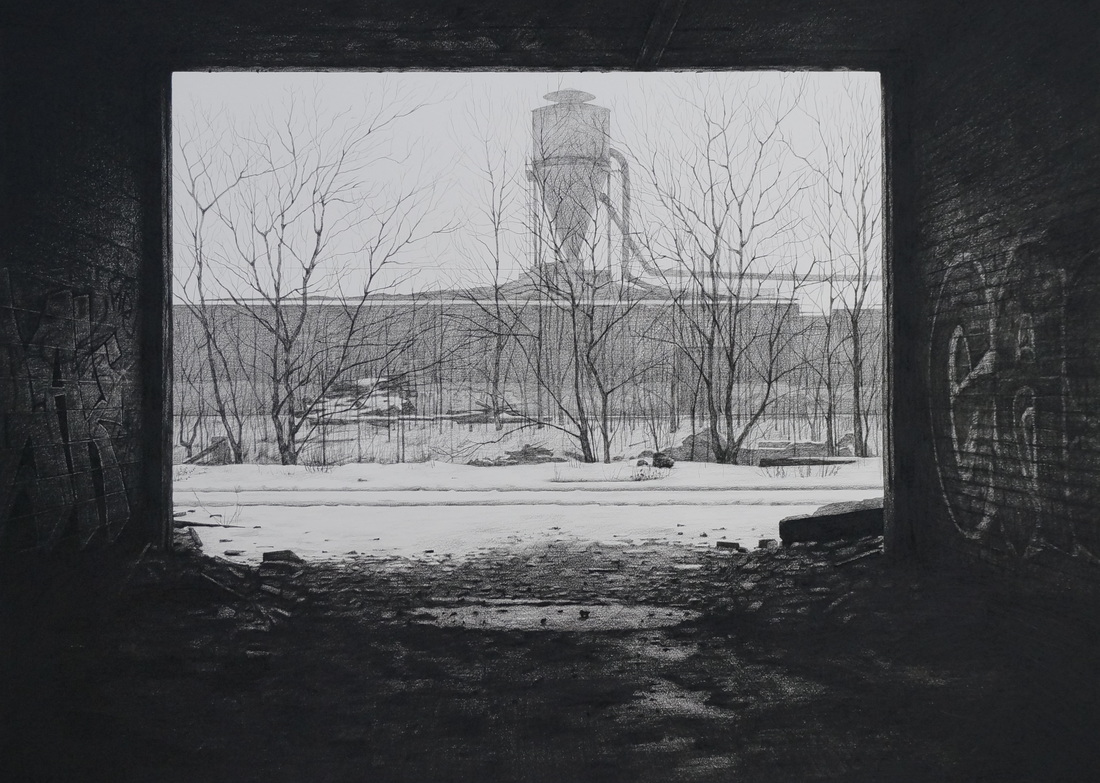 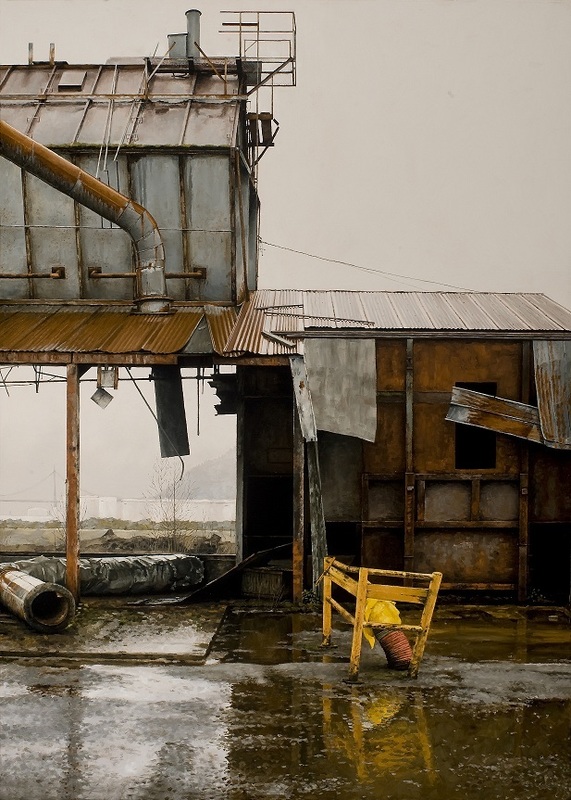 AHC: Part of your aim is to get viewers to question their preconceived notions of beauty. What, for you, constitutes the realm of the beautiful? Do you think our notions of beauty are culturally predetermined or prepackaged in a way that voids our ability to form our own ideas and notions of what is beautiful? Is your art an attempt, in part, to restore a sense of potentiality to how we process the outer qualities of what we are looking at? Stephanie: I think anything could constitute the realm of the beautiful and yes, I do strongly believe that culture heavily influences our opinions on what is beautiful. At times to our own detriment and unhappiness. I was reading an article online recently that talked about different methods for convincing people to do something, in this case it was something to do with the environment, maybe recycling. They went through a few suggestions in order to get people on board, one was money related, the other was because it was morally responsible, i forget third, it was maybe thinking of future generations, but it was the fourth option that people responded to the most and that was simply, that everyone else was doing it. People continually do what everyone else is doing, what society and culture tells them to do. So simply put, yes culture predetermines and prepackages a notion of what we should deem beautiful. Absolutely. I think this should be challenged in every part of life and my art, I suppose, is an attempt in some way, to open people up to recognizing beauty in unexpected places. 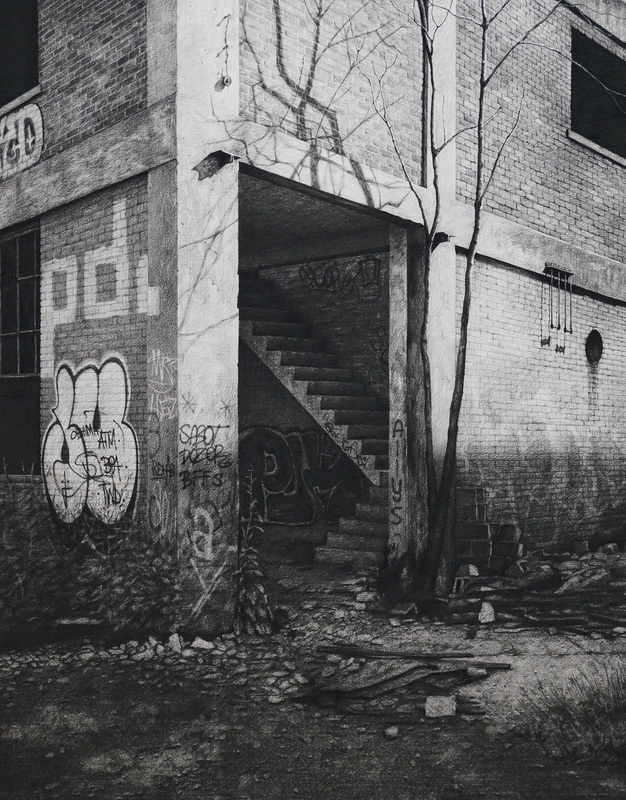 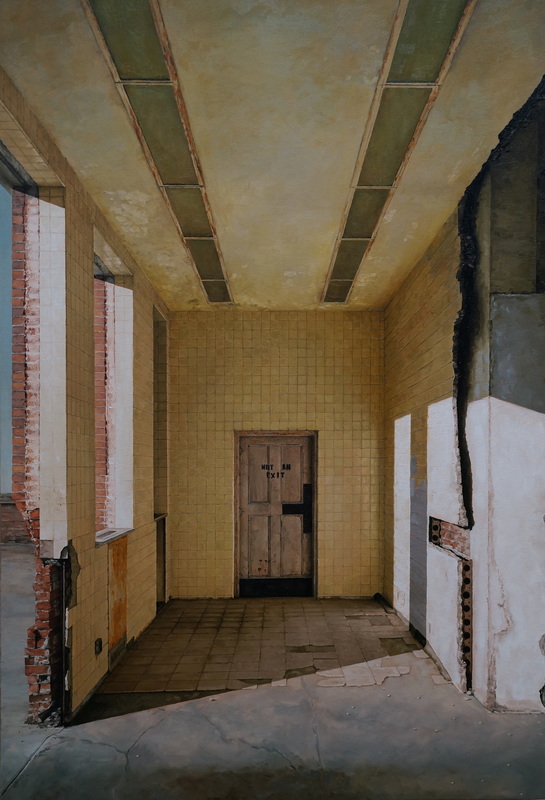 AHC: Are there any countries or specific places you would like to one day visit and document in the ways that you have with the Detroit area? Stephanie: Yes, I wish I could spend as much time in other cities as I have in Detroit. Detroit was once my home though, for 10 years, and during a very formative time in my life, so it would be really hard to replicate that relationship. I would like to travel around Europe some day, especially Germany. 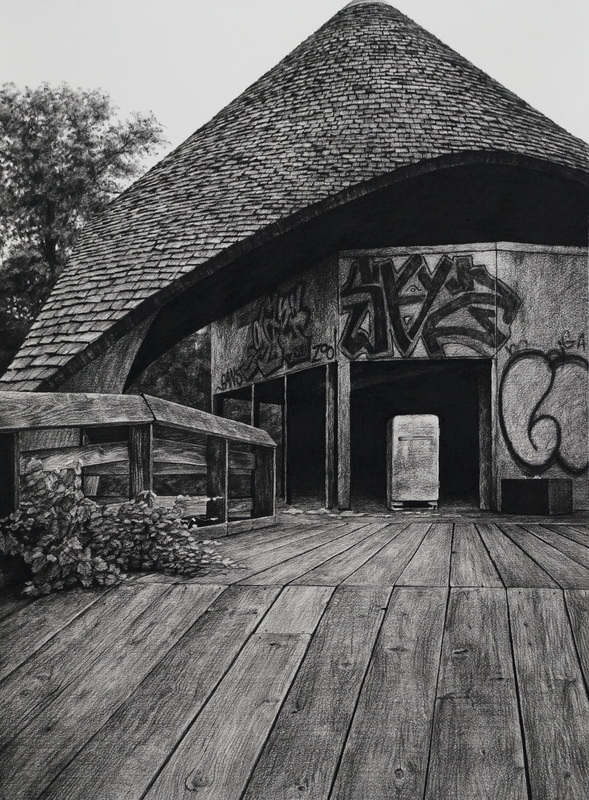 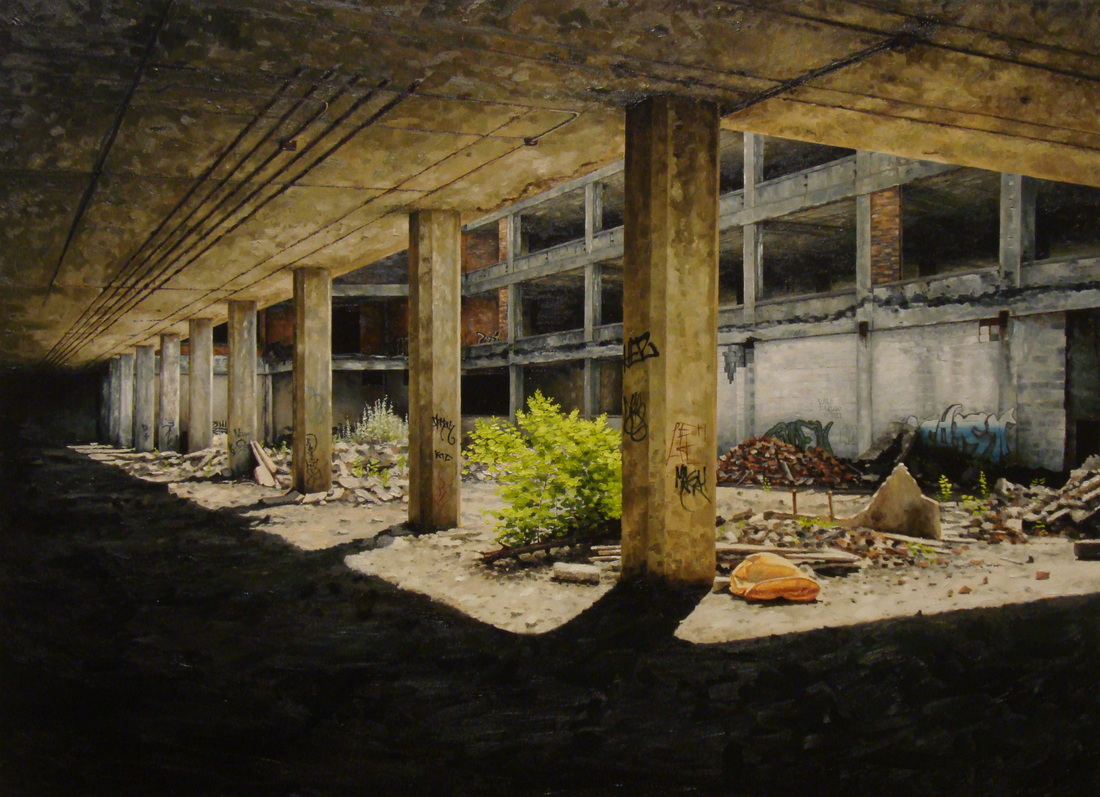 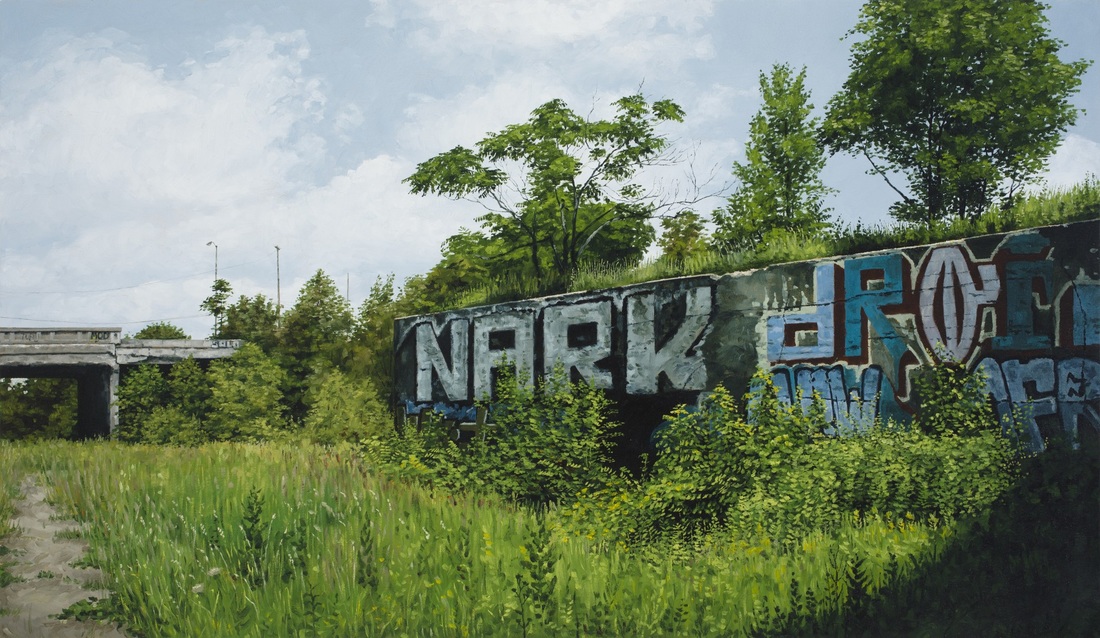 AHC: Who are some of your artistic influences, your favorite artists or photographers? Stephanie: I love the works Andrew Wyeth, Edward Hopper, Rackstraw Downes, and John Singer Sargent, just to name a few. I also enjoy the abstract works of Franz Kline. I actually studied stone carving in college so anything carved in stone just kills me. I love it. 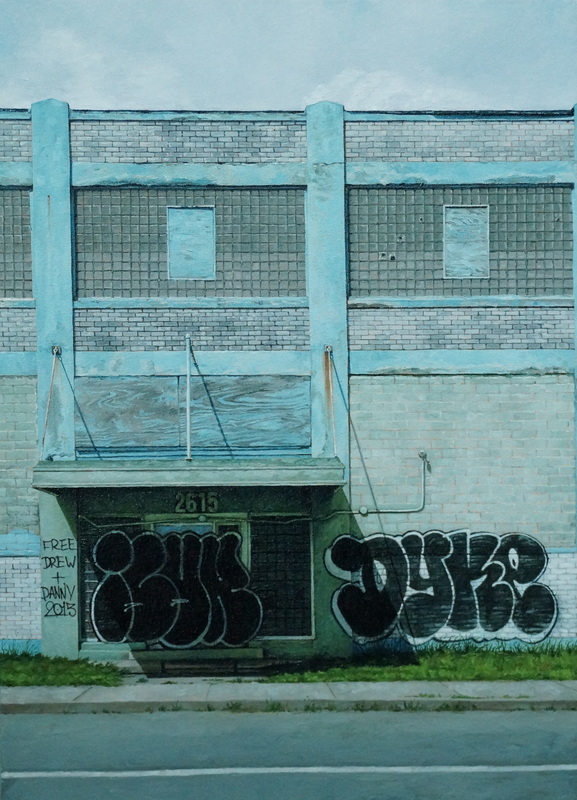 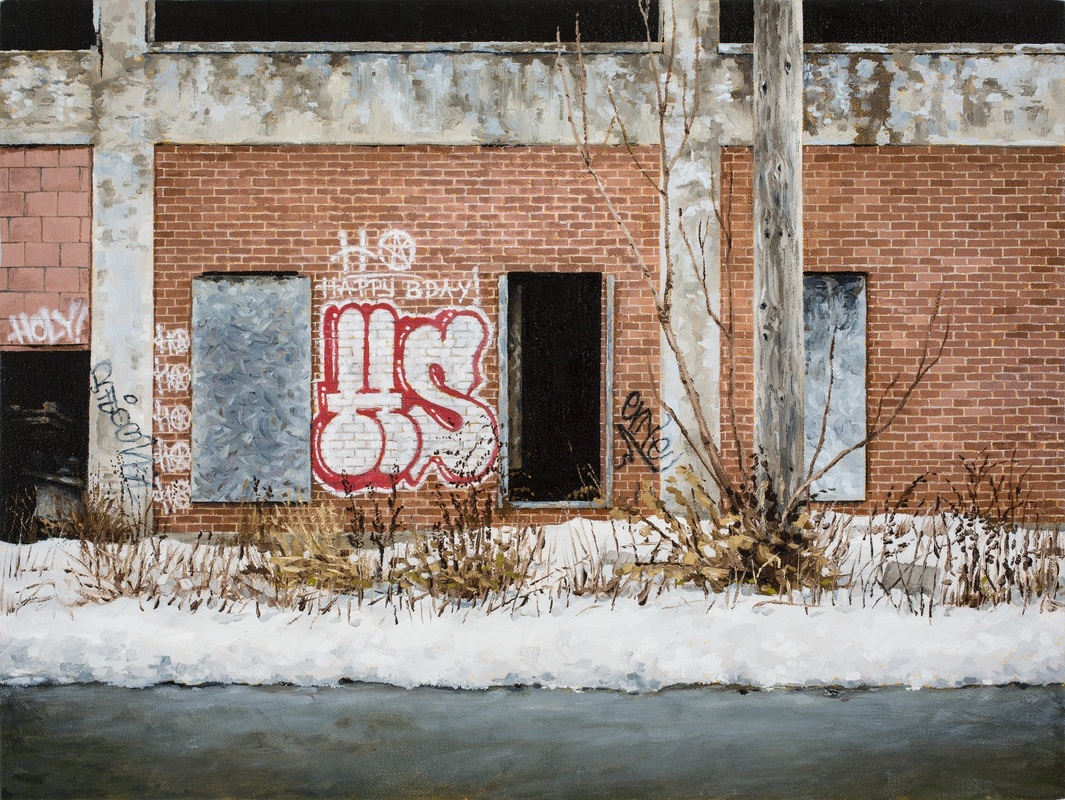 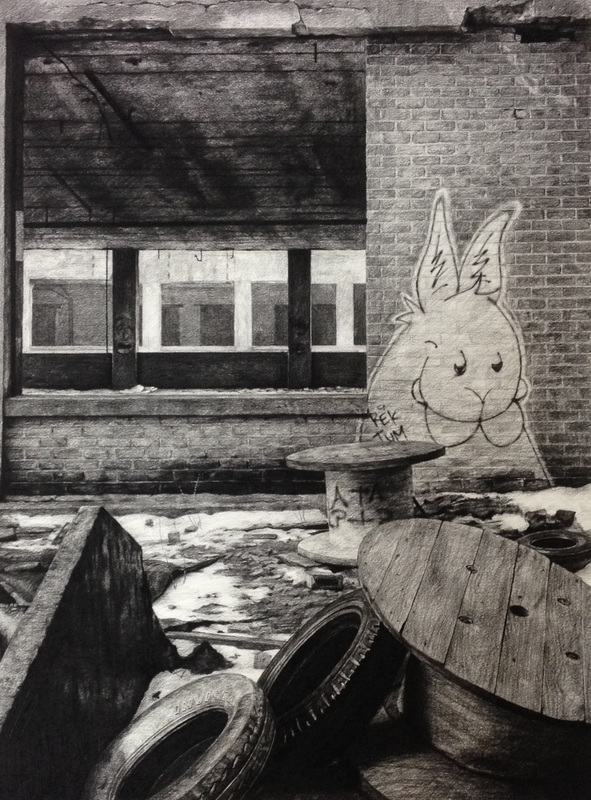 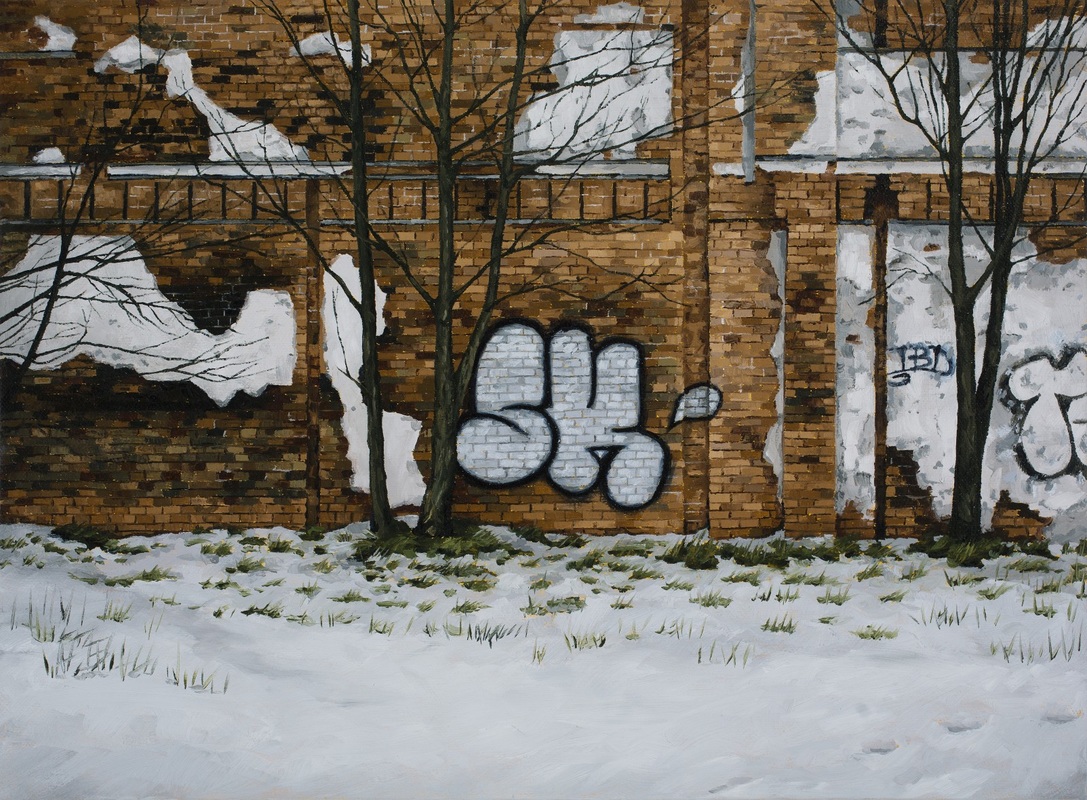 AHC: Do you have any upcoming shows or new projects you would like to tell people about? Stephanie: I do have a show coming up but it's not until the early part of next year, so it's still a ways off. I'll be doing a large, new body of work for a show at Thinkspace Gallery in Los Angeles. I usually paint Detroit and occasionally scenes from the Pacific Northwest, which is where I'm living now. However this show will be entirely about LA. It will be my fifth show with Thinkspace and I'm pretty excited to have the opportunity to pay homage to a city that has been so integral to my career as an artist. 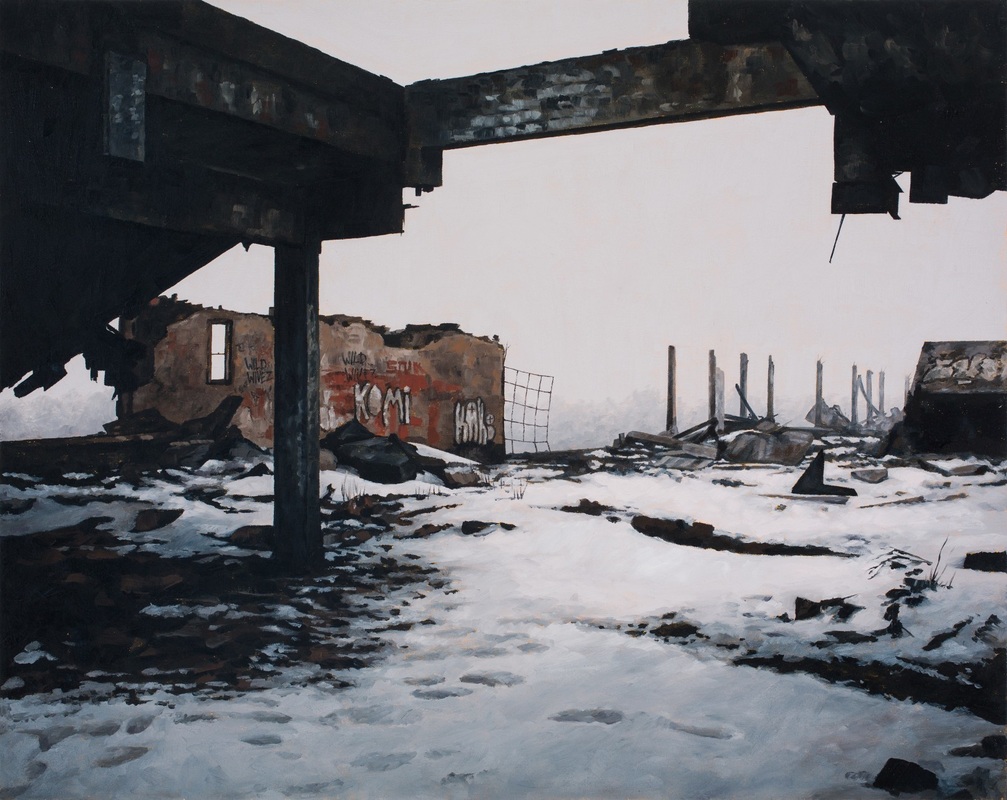 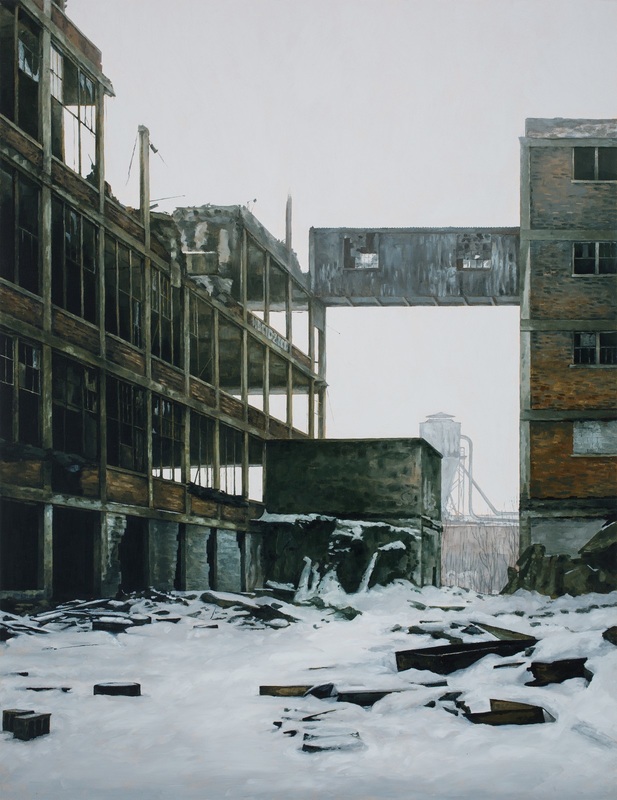 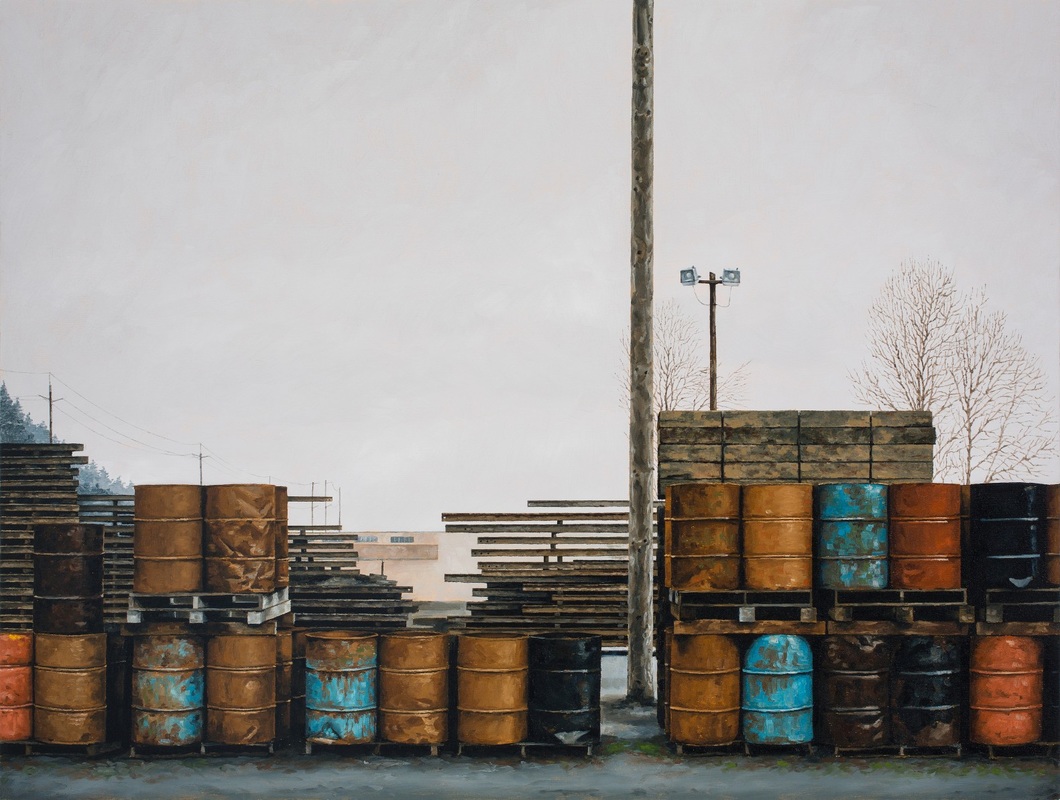
1 Comment
10/9/2016 10:52:43 pm
Desolation is the shadow the was beauty; a dead tree reminiscence of leaves; an empty pen; the corpse of a poet. ~c 2016 Daniel Kantak Leave a Reply. |
AuthorWrite something about yourself. No need to be fancy, just an overview. Archives
April 2024
Categories |
 RSS Feed
